
Frequently Asked Questions About Tokenisation in Fintech
AF
Understanding Tokenisation in Fintech
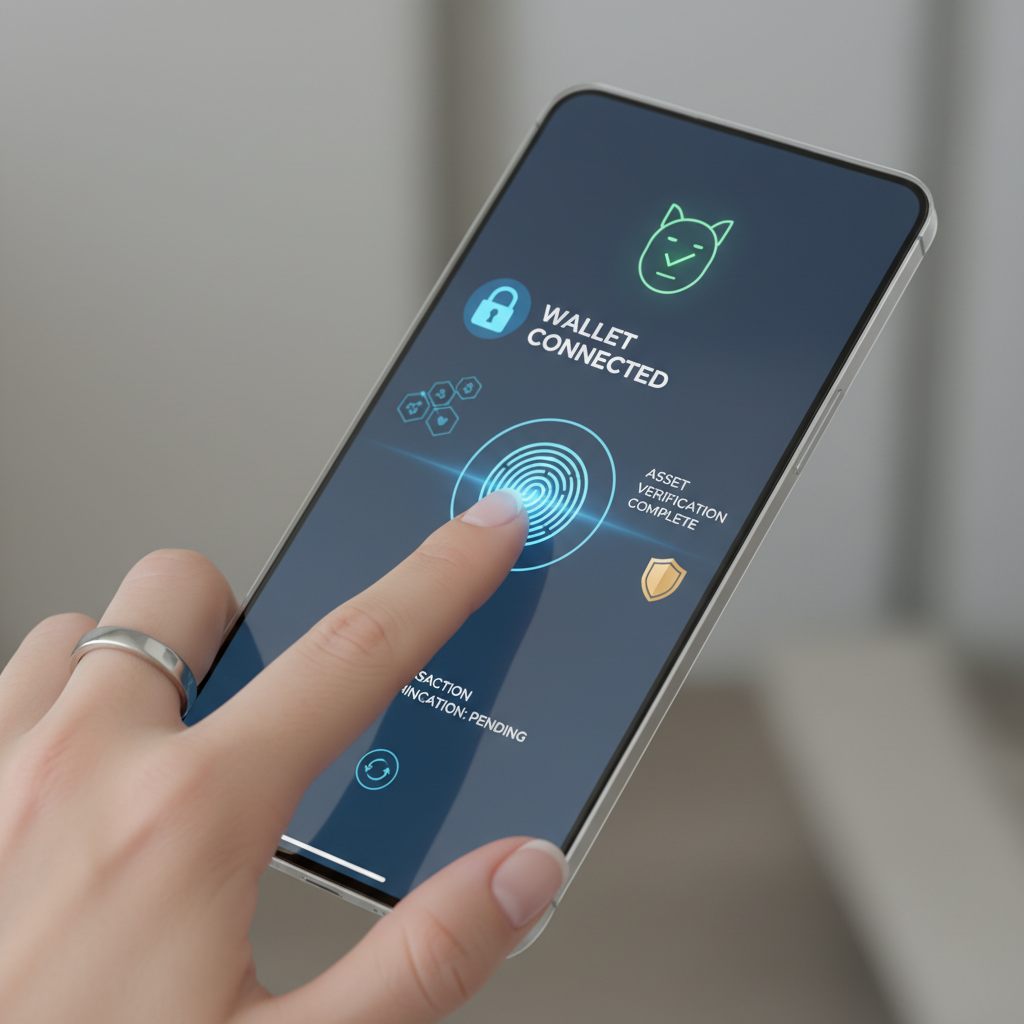
Tokenisation is a term that's gaining traction in the fintech world, but what exactly does it mean? At its core, tokenisation is the process of converting sensitive data into non-sensitive equivalents known as tokens. These tokens can be used in transactions without exposing the actual data, enhancing security and privacy.
What Are the Benefits of Tokenisation?
The primary benefit of tokenisation is increased security. By replacing sensitive information with tokens, the risk of data breaches is significantly reduced. Additionally, tokenisation can help businesses comply with regulatory standards like PCI DSS, which mandate stringent data protection measures.
Another advantage is enhanced consumer trust. When customers know their data is protected through tokenisation, they are more likely to engage with digital financial services.
How Does Tokenisation Work?
Tokenisation involves creating a token that serves as a stand-in for real data. This process typically includes:
- Identifying sensitive data that needs tokenisation.
- Generating a unique token to replace the data.
- Storing the token in place of the original data.
- Ensuring that the original data is securely stored or encrypted.
Is Tokenisation the Same as Encryption?
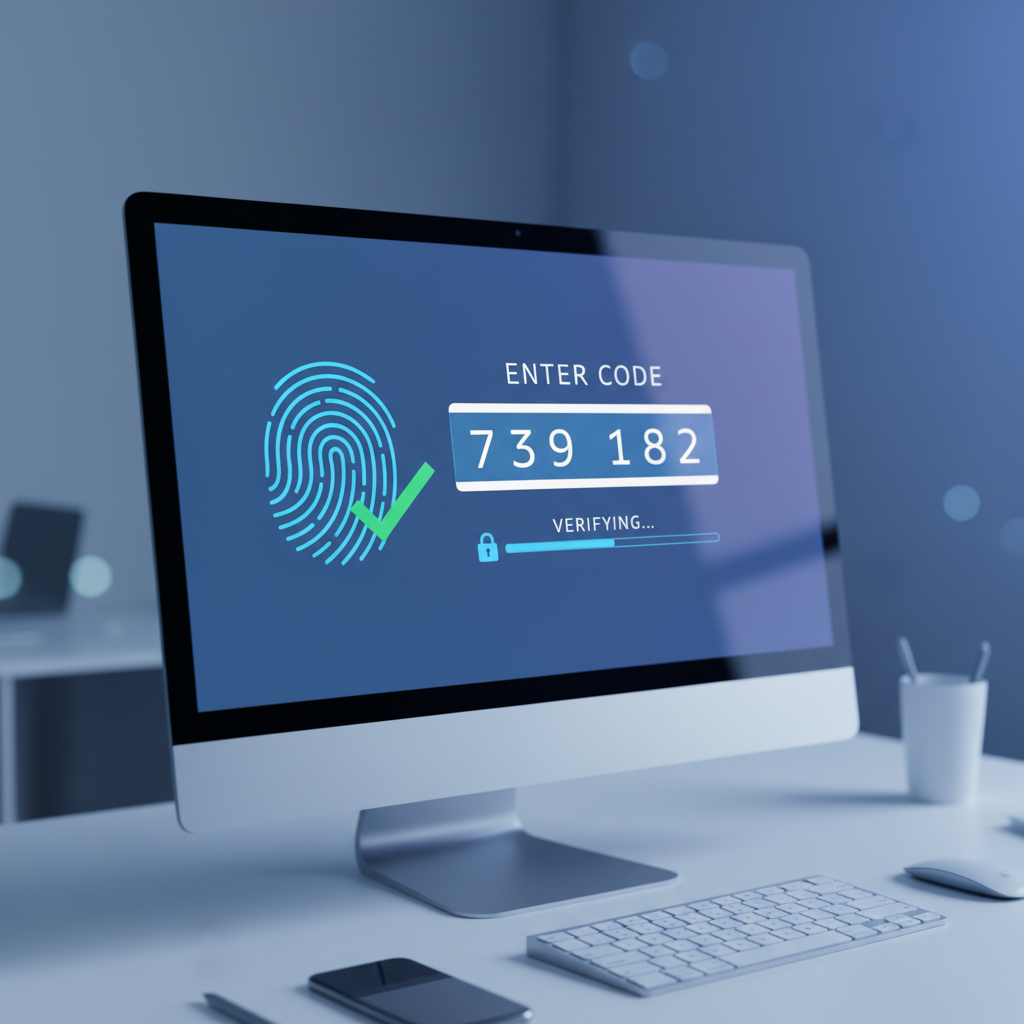
While both tokenisation and encryption protect data, they are not the same. Encryption involves converting data into a code to prevent unauthorized access, requiring a decryption key to revert it to its original form. Tokenisation, on the other hand, replaces data with a token that has no exploitable value, and the original data isn’t needed for transactions.
Each method has its use cases, and often, businesses use both to enhance security.
What Are the Challenges of Tokenisation?
Implementing tokenisation can be complex, requiring robust systems to manage token generation and storage. Additionally, interoperability can be an issue, as different systems may use varying tokenisation standards. It’s crucial to choose a tokenisation service that aligns with your business needs and integrates seamlessly with existing systems.
Who Uses Tokenisation?
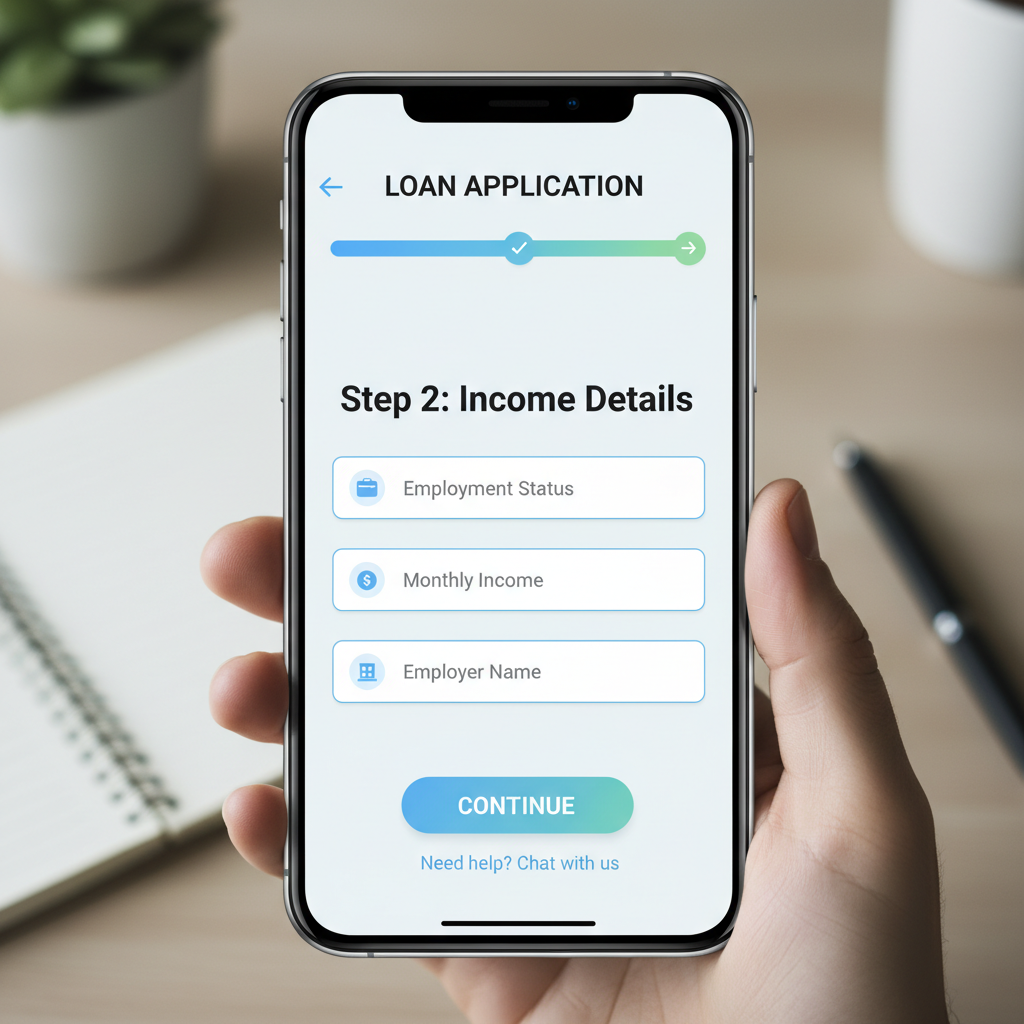
Tokenisation is widely used across various sectors in fintech, including payment processors, banks, and financial service providers. E-commerce platforms also leverage tokenisation to secure customer payment information during transactions.
By safeguarding data, these businesses can focus on providing enhanced services without compromising security.
What Is the Future of Tokenisation?
As digital transactions continue to rise, the demand for secure and efficient data protection methods like tokenisation will grow. Innovations in blockchain technology and the expansion of digital currencies are likely to further enhance tokenisation practices. With these advancements, businesses can offer even more robust security solutions.
Tokenisation is set to play a crucial role in the future of fintech, ensuring that as technology evolves, data security evolves with it.