
Top Questions About Tokenisation Answered
AF
What is Tokenisation?
Tokenisation is the process of converting sensitive data into unique identification symbols, or tokens, that retain all the essential information about the data without compromising its security. This method is widely used in various industries to protect sensitive information like credit card numbers, personal identification numbers (PINs), and other confidential data.

How Does Tokenisation Work?
The process begins with replacing sensitive data with a non-sensitive equivalent, known as a token. These tokens are then stored in a database or vault, and the original data is securely stored elsewhere. When the data needs to be retrieved, the token is mapped back to the original data, ensuring that the sensitive information remains secure throughout the process.
Tokenisation is often compared to encryption, but they are not the same. While encryption involves encoding the data, tokenisation replaces the data entirely, offering a higher level of security.
Why is Tokenisation Important?
Tokenisation plays a crucial role in data security by minimizing the risk of data breaches. By ensuring that sensitive information is not stored in the same location as the tokens, businesses can significantly reduce the potential impact of cyberattacks. This is particularly important for companies dealing with large volumes of sensitive customer information.
What Are the Benefits of Tokenisation?
There are several advantages to implementing tokenisation, including:
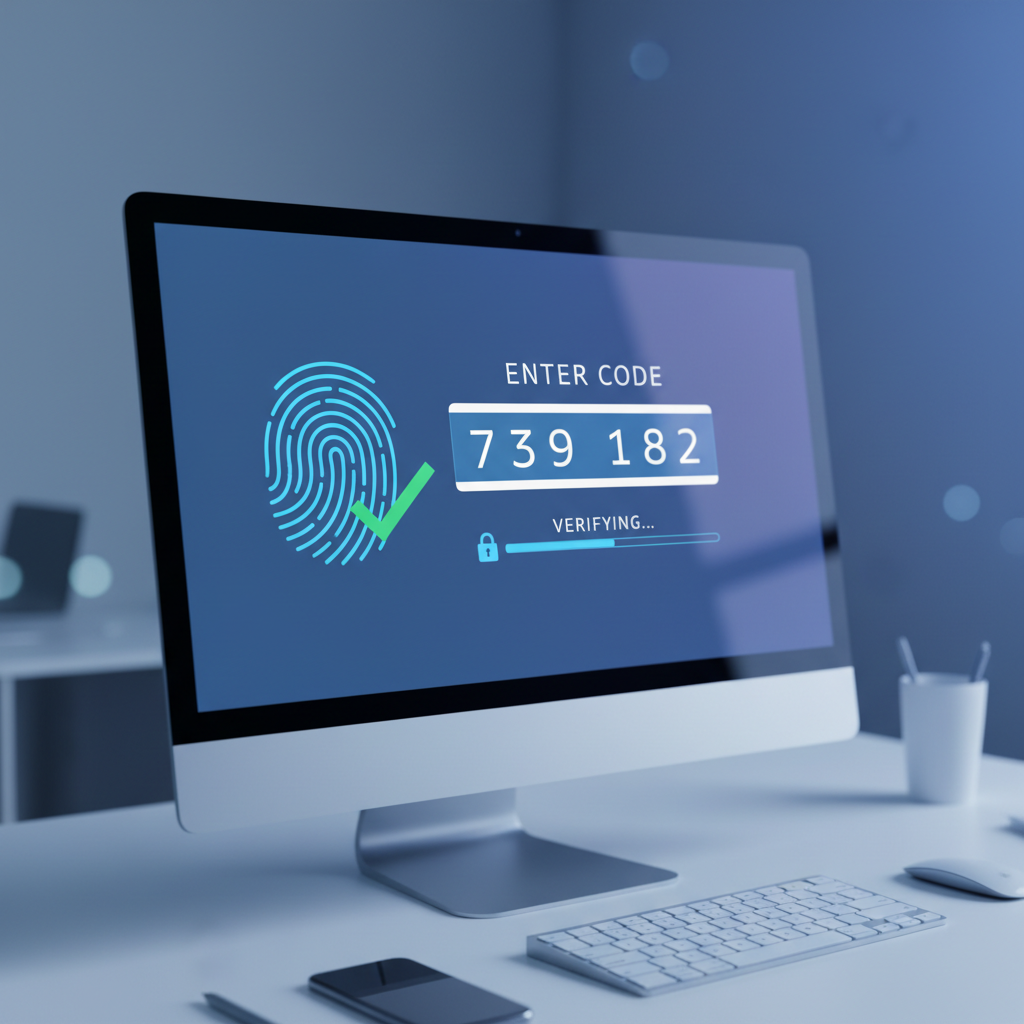
- Enhanced Security: Tokens are useless without the original data, making them a secure method for handling sensitive information.
- Compliance: Tokenisation helps businesses meet regulatory requirements such as PCI DSS, GDPR, and others by ensuring data protection.
- Flexibility: Tokens can be used in various systems and applications without exposing sensitive data, allowing for seamless integration.
What Are the Different Types of Tokens?
Tokens can be categorized into two main types: reversible and irreversible. Reversible tokens can be mapped back to the original data, while irreversible tokens cannot, providing an extra layer of security. The choice between these types depends on the specific needs and security requirements of the business.
How is Tokenisation Used in the Real World?
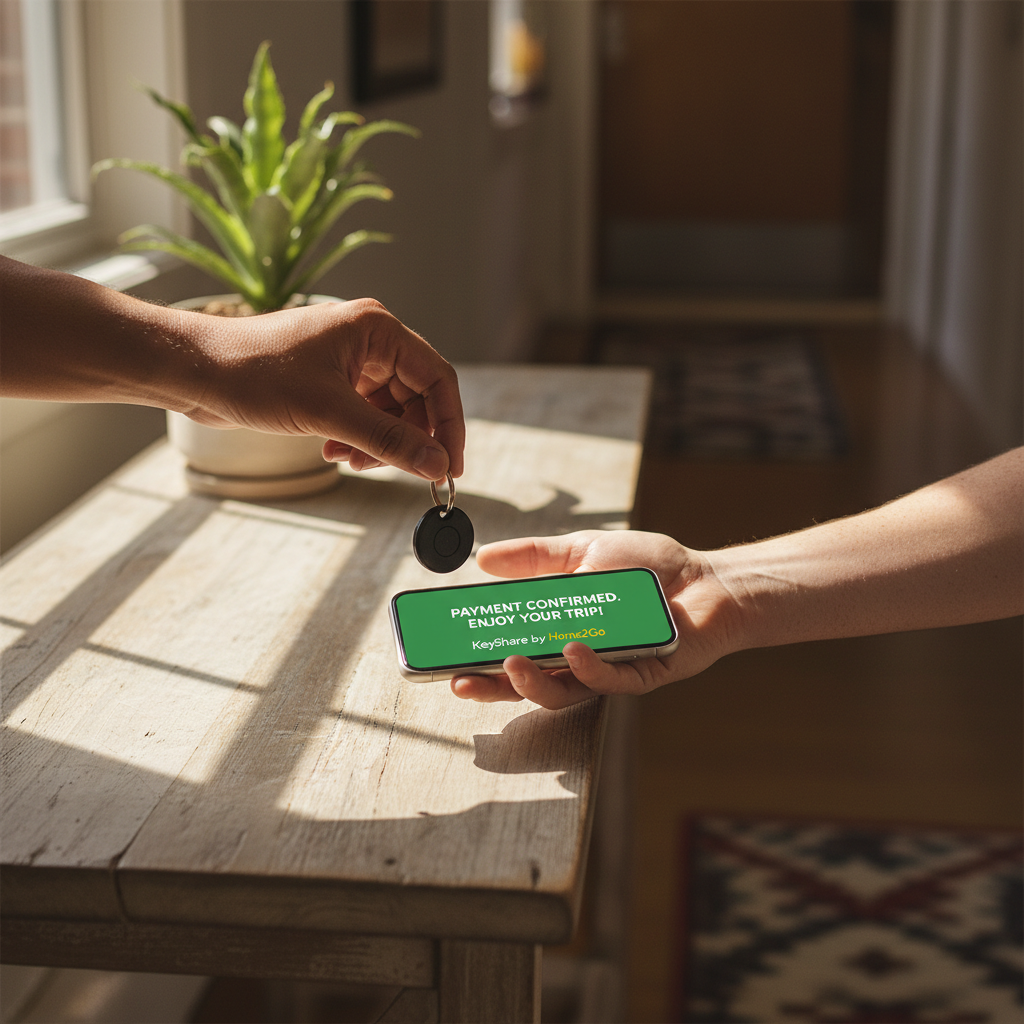
Tokenisation is widely used across different industries, including finance, healthcare, and retail. In the financial sector, it's used to secure credit card transactions. In healthcare, tokenisation protects patient information. Retailers use tokenisation to safeguard customer data during online transactions.
The application of tokenisation continues to grow as more industries recognize the need for robust data protection solutions.
Challenges and Considerations
While tokenisation offers numerous benefits, it also presents challenges, such as the need for a reliable tokenisation system and the management of token databases. Businesses must carefully evaluate their needs and choose the right solution to ensure effective implementation.

Additionally, businesses need to stay informed about the latest developments in data protection and tokenisation technologies to maintain a competitive edge and ensure ongoing compliance with data protection regulations.