
Top Tokenisation Myths Debunked: What Fintech Users Need to Know
AF
Understanding Tokenisation
Tokenisation is a critical component of modern fintech, providing enhanced security and efficiency. However, numerous myths persist about what tokenisation truly entails. In this blog post, we aim to debunk these myths and provide clarity for fintech users.
Myth 1: Tokenisation and Encryption are the Same
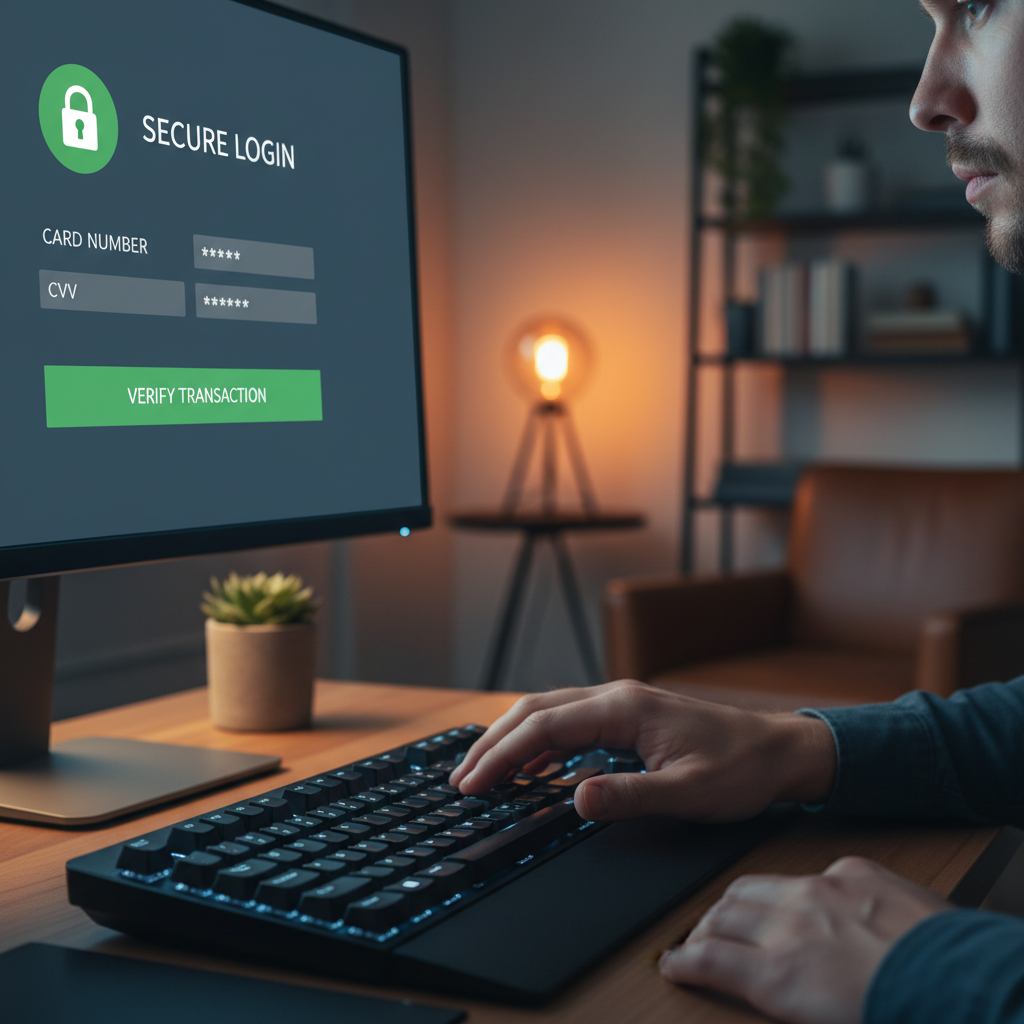
One common misconception is that tokenisation and encryption are interchangeable. While both aim to protect sensitive data, they operate differently. Encryption transforms data into a code to prevent unauthorized access. Tokenisation, on the other hand, replaces sensitive data with non-sensitive tokens that have no exploitable value.
Understanding the distinction is crucial for implementing the correct security measures in your fintech operations. Tokenisation is particularly relevant when sensitive data needs to be stored or transmitted across networks.
Myth 2: Tokenisation is Only for Credit Card Data
Another myth is that tokenisation is solely applicable to credit card information. In reality, it can be used for a wide range of data types, including personal identification numbers (PINs), social security numbers, and other personal information. This broad applicability makes it a versatile tool for safeguarding various data sets.
The Benefits of Tokenisation
Tokenisation offers numerous advantages beyond data protection. By replacing sensitive data with tokens, businesses can reduce the impact of a data breach, as the stolen tokens are meaningless outside the specific system they were generated for.
Moreover, tokenisation helps businesses comply with stringent data protection regulations, such as GDPR and PCI DSS, by minimizing the amount of sensitive data they handle directly.

Myth 3: Tokenisation is Complicated and Expensive
Many believe that implementing tokenisation is overly complex and costly. However, modern tokenisation solutions are designed to be user-friendly and cost-effective. Many providers offer scalable solutions that can be tailored to fit the specific needs and budgets of businesses of all sizes.
Investing in tokenisation can actually save money in the long run by preventing costly data breaches and reducing compliance-related expenses.
Conclusion
Tokenisation is a powerful tool in the fintech landscape, offering robust protection against data breaches and compliance issues. By dispelling these myths, fintech users can better appreciate the value tokenisation brings to their operations.
Understanding and implementing tokenisation correctly can greatly enhance the security and efficiency of financial transactions, paving the way for a safer digital future.