
Understanding Tokenisation: A Comprehensive Guide for Beginners
AF
What is Tokenisation?
Tokenisation is a process that involves transforming sensitive data into non-sensitive tokens. This technique is used to enhance security by replacing valuable information with a placeholder that retains no exploitable value. Understanding the fundamentals of tokenisation is crucial for anyone interested in data security.
In essence, tokenisation works by substituting a random string of characters for the original data. This token has no meaningful value or connection to the original data, ensuring that even if intercepted, it cannot be used maliciously.
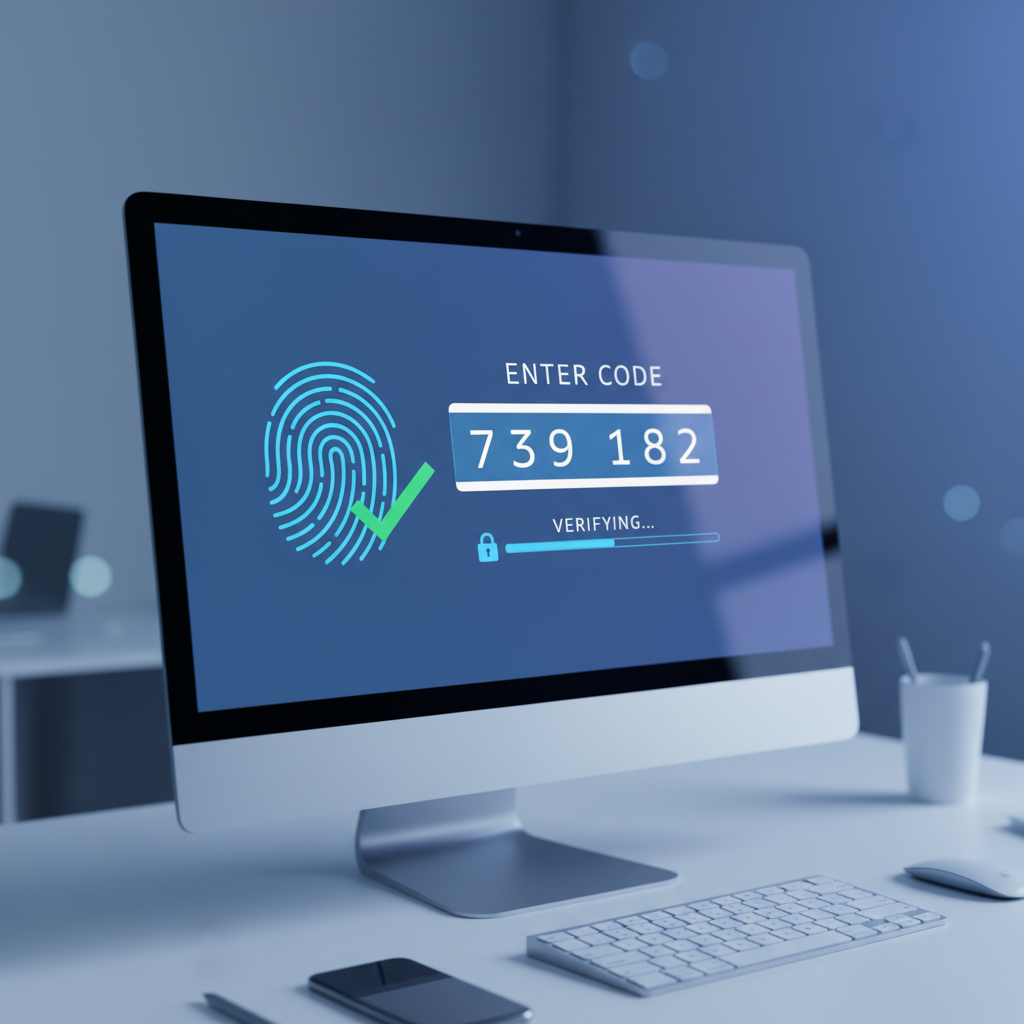
Why is Tokenisation Important?
Tokenisation is particularly important in industries that handle sensitive information such as credit card numbers, personal identification numbers, and health records. By securing this data, organisations can significantly reduce the risk of data breaches and cyberattacks.
One of the key benefits of tokenisation is that it helps companies comply with various regulations such as the Payment Card Industry Data Security Standard (PCI DSS). This compliance is crucial for maintaining trust and avoiding penalties.
How Does Tokenisation Work?
The tokenisation process begins by identifying the sensitive data that needs protection. Once identified, this data is replaced with a randomly generated token. The original data is then stored securely in a separate location known as a token vault.
This separation of data ensures that even if a token is accessed, it cannot be reverse-engineered to retrieve the original information. This process offers a robust safeguard against potential threats.

Tokenisation vs. Encryption
While both tokenisation and encryption are used to protect sensitive data, they operate differently. Encryption transforms data into a coded format that can only be deciphered with a key, whereas tokenisation replaces the data entirely with a token.
Encryption is reversible, meaning it can be decrypted back to its original form, whereas tokenisation is not inherently reversible without access to the token vault. This distinction makes tokenisation particularly effective for securing data that does not need to be retrieved frequently.
Applications of Tokenisation
Tokenisation is widely used in various sectors, including finance, healthcare, and e-commerce. In the financial industry, it protects credit card transactions by substituting card details with tokens during the payment process.
In healthcare, tokenisation is used to safeguard patient records, ensuring that sensitive information remains confidential. E-commerce platforms also employ tokenisation to secure customer data, enhancing user privacy and trust.

The Future of Tokenisation
As technology continues to evolve, the need for robust data protection measures like tokenisation will only grow. Innovations in blockchain and cloud computing are expected to further integrate tokenisation, offering enhanced security solutions.
Businesses that adopt tokenisation can not only protect their data but also gain a competitive edge by assuring customers of their commitment to privacy and security.