
Understanding Tokenisation: A Comprehensive Guide for Beginners
AF
What is Tokenisation?
Tokenisation is a process that involves converting sensitive data into a non-sensitive equivalent known as a "token." This token can be used in place of the original data but has no exploitable value. Tokenisation is widely used in sectors like finance, healthcare, and retail to enhance data security.
The primary goal of tokenisation is to protect sensitive information such as credit card numbers, social security numbers, and personal identification details. This is achieved by replacing these data points with randomly generated tokens that are stored in a secure database called a token vault.
How Does Tokenisation Work?
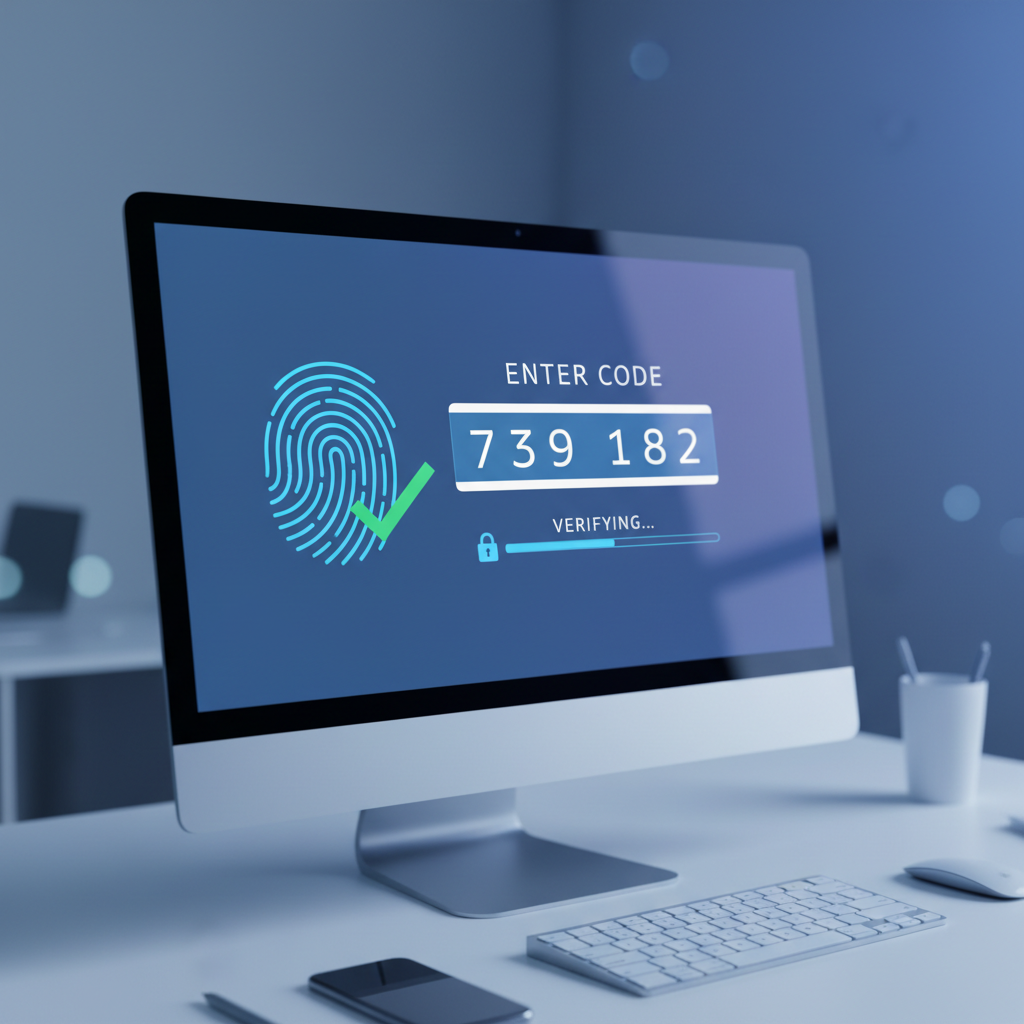
Tokenisation involves two main components: the tokenisation system and the token vault. When sensitive data is entered into a system, it is sent to the tokenisation system. This system then generates a random token to replace the sensitive data. The original data is securely stored in the token vault and can only be retrieved with the appropriate authorization.
The token itself is meaningless outside of the system that created it. This ensures that even if the token is intercepted during transmission, it cannot be used to access the original sensitive data.

Benefits of Tokenisation
One of the key benefits of tokenisation is enhanced security. By removing sensitive data from your systems and replacing it with tokens, you reduce the risk of data breaches. Even if a breach occurs, the stolen tokens are useless without access to the token vault.
Another advantage is compliance with data protection regulations, such as the General Data Protection Regulation (GDPR) and the Payment Card Industry Data Security Standard (PCI DSS). Tokenisation helps businesses meet these standards by minimizing the amount of sensitive data they handle.
Tokenisation vs. Encryption
While both tokenisation and encryption are methods of securing data, they operate differently. Encryption converts data into a coded format that requires a key to decode. However, encrypted data can still be decrypted if the key is compromised. In contrast, tokenised data is not reversible without access to the token vault, making it a safer option for certain applications.
Tokenisation is particularly useful for securing data in systems that don't require the original data for processing. This makes it an ideal solution for transactions and situations where data security is a priority.
Applications of Tokenisation
Tokenisation is commonly used in the payment industry to secure credit card transactions. When you make a purchase, your card details are tokenised before being sent over the network, reducing the risk of data theft.
Healthcare is another sector that benefits from tokenisation. Patient records and personal information can be tokenised to protect privacy while still allowing healthcare providers to access necessary data.

Challenges and Considerations
While tokenisation offers significant security benefits, it is not without challenges. Implementing a tokenisation system requires careful planning and resources. Businesses need to ensure that their token vaults are secure and that they have procedures in place for token management and access control.
It's also important to understand that tokenisation is not a one-size-fits-all solution. Organizations must evaluate their specific needs and consider whether tokenisation is the right approach for their data protection strategy.
In conclusion, tokenisation is a powerful tool for securing sensitive data, offering benefits like enhanced security and regulatory compliance. By understanding its workings and applications, businesses can make informed decisions about incorporating tokenisation into their data protection strategies.