
Understanding Tokenisation: A Comprehensive Guide for Fintech Enthusiasts
AF
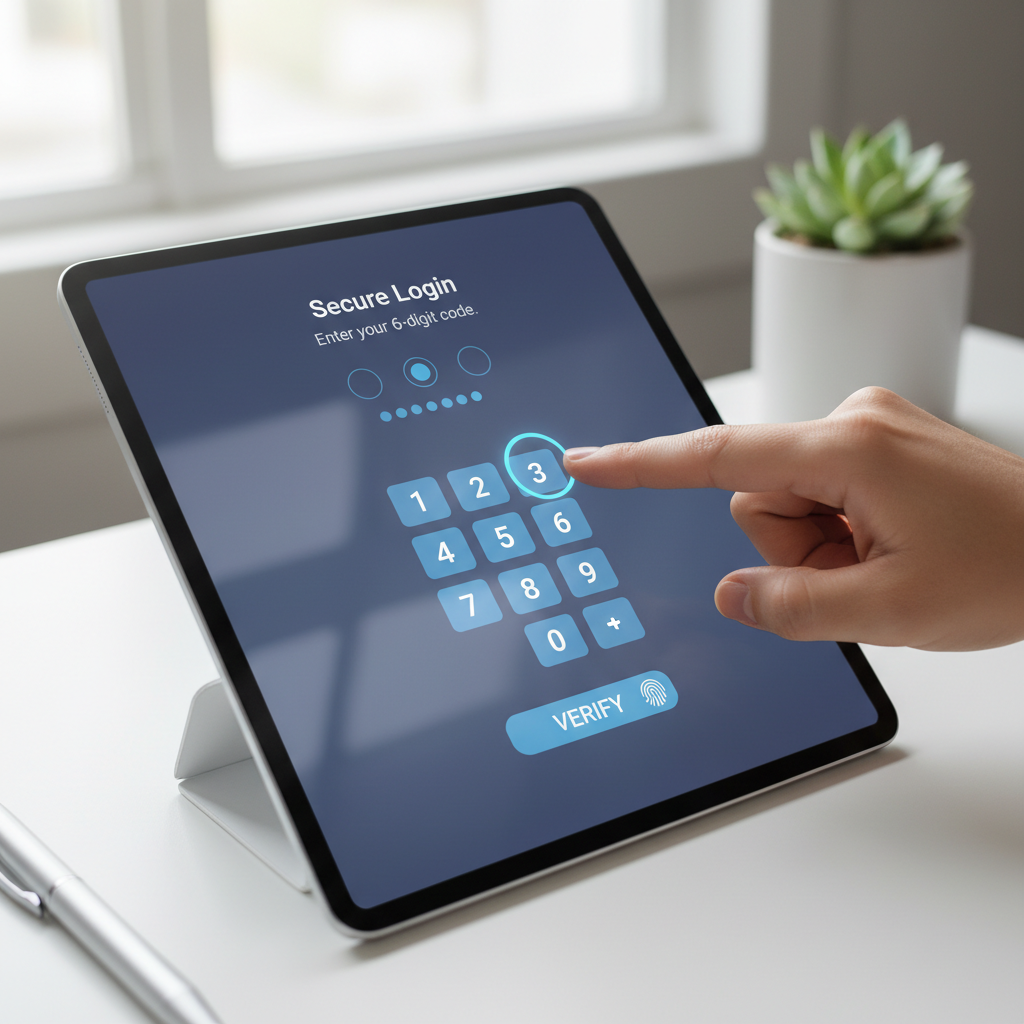
In the rapidly evolving world of fintech, understanding the concept of tokenisation is crucial. Tokenisation is a process that enhances security by replacing sensitive data with unique identifiers or "tokens". These tokens are essentially meaningless outside of the system that created them, making them a powerful tool for protecting sensitive information.
What is Tokenisation?
Tokenisation involves substituting sensitive data with non-sensitive equivalents. This process allows the original data to remain secure while the token is used for processing. For instance, in payment systems, a credit card number can be replaced with a token, ensuring the actual number is never exposed during transactions.
Why is this important? It significantly reduces the risk of data breaches, as hackers gain access only to the tokens rather than real data.
How Does Tokenisation Work?
The tokenisation process involves several steps. First, the original data is captured and sent to a secure tokenisation server. This server then generates a unique token that replaces the sensitive data. The token can be used throughout various systems without exposing the underlying information.
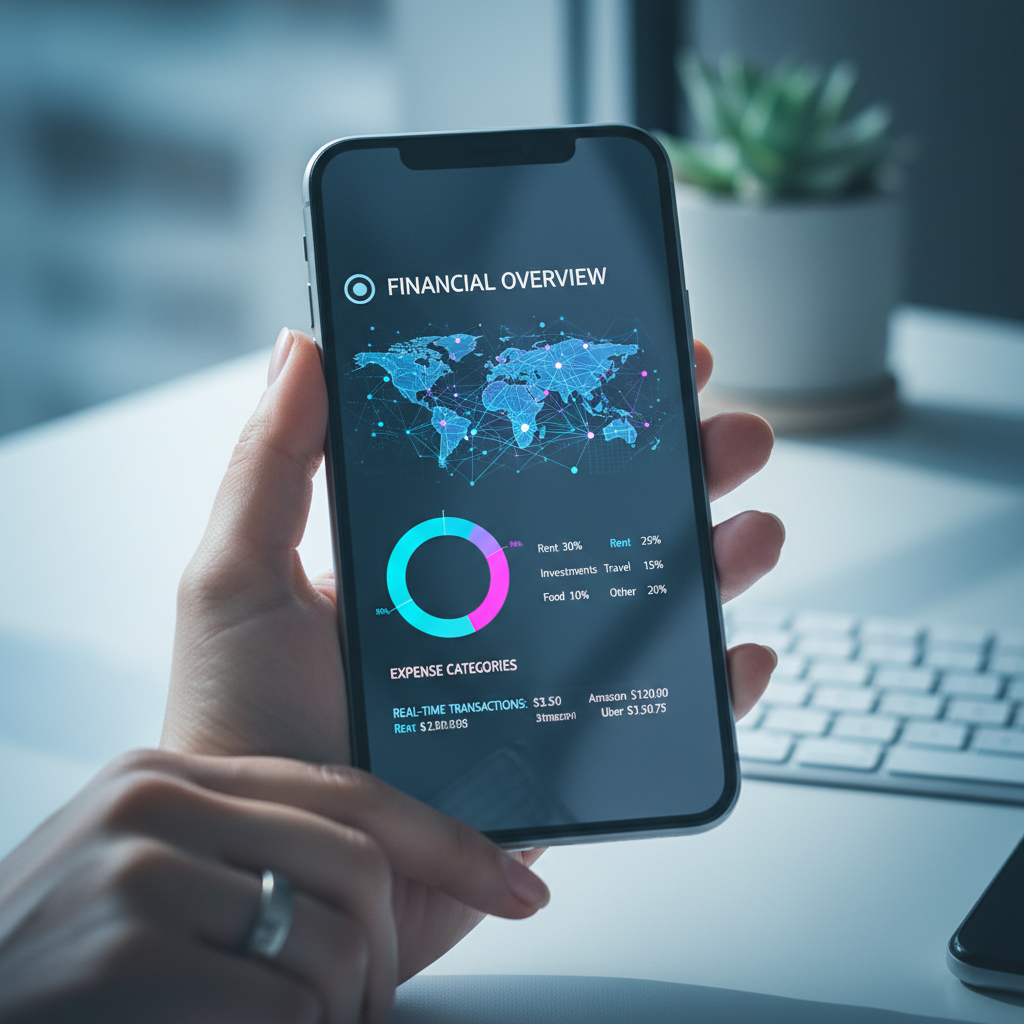
Importantly, the tokenisation system maintains a secure database that maps tokens back to the original data. This mapping is what allows the retrieval of the actual data when needed, but only by authorized systems or personnel.
Benefits of Tokenisation
Tokenisation offers several key benefits:
- Increased Security: By not storing sensitive data, the risk of data theft is minimized.
- Compliance: Tokenisation helps businesses comply with regulations like PCI-DSS, which require robust security measures for handling payment information.
- Flexibility: Tokens can be used in various systems and applications without compromising security.

Tokenisation vs. Encryption
While both tokenisation and encryption are used to protect data, they are fundamentally different. Encryption converts data into a code that can only be read with a specific decryption key. In contrast, tokenisation replaces the data with a token that has no real value outside of the system.
Encryption is reversible and can be used on larger data sets, whereas tokenisation is often preferred for protecting payment and personal data due to its simplicity and effectiveness.
Real-World Applications
Tokenisation is widely used in payment processing, where it protects credit card information during online transactions. Beyond payments, it is also employed in sectors like healthcare, where it safeguards patient information, and in real estate, where it secures property transaction data.

As fintech continues to grow, the applications of tokenisation are expanding, offering enhanced security across various industries.
Future of Tokenisation in Fintech
The future looks promising for tokenisation in the fintech sector. As digital transactions become more prevalent, the demand for secure, efficient methods of protecting data will continue to rise. Innovations in blockchain and cryptocurrency are also driving new developments in tokenisation, providing even more opportunities for enhanced security measures.
For fintech enthusiasts, staying informed about tokenisation is essential as it plays a pivotal role in the security landscape. Understanding its benefits and applications helps businesses and consumers alike to navigate the digital world with confidence.